



My name is Sally Wulf and I am responsible for the animal feed application area at IMagine by COFERMIN, among other things. My focus is on the importance of magnesium oxide in animal feed, a topic that is often underestimated but is of crucial importance.
The role of magnesium oxide
Magnesium oxide plays a similar role in animal feed as it does in dietary supplements for humans. An adequate supply of magnesium is essential for a well-functioning metabolism and contributes significantly to muscle relaxation, for example.
Magnesium requirements are particularly high under exceptional stress.
The targeted supply of magnesium can significantly reduce nervousness and physical stress symptoms, for example during transport.
A magnesium supply tailored to requirements can prevent diseases such as pasture tetany in ruminants, especially dairy cattle, and generally promote convalescence.
Magnesium contributes to a balanced mineral supply in animal nutrition, supports the well-being of the animals and thus also the profitability of livestock farms.
Production and properties of magnesium oxide
The production of magnesium oxide does not differ significantly depending on whether it is used in animal feed or in technical applications. It is usually obtained from magnesium carbonate, which is mined in open-cast mines and then purified through thermal processes. The type of firing, the energy sources used, the temperature, and the length of time the product remains in the production facilities are decisive for the reactivity of the end product.
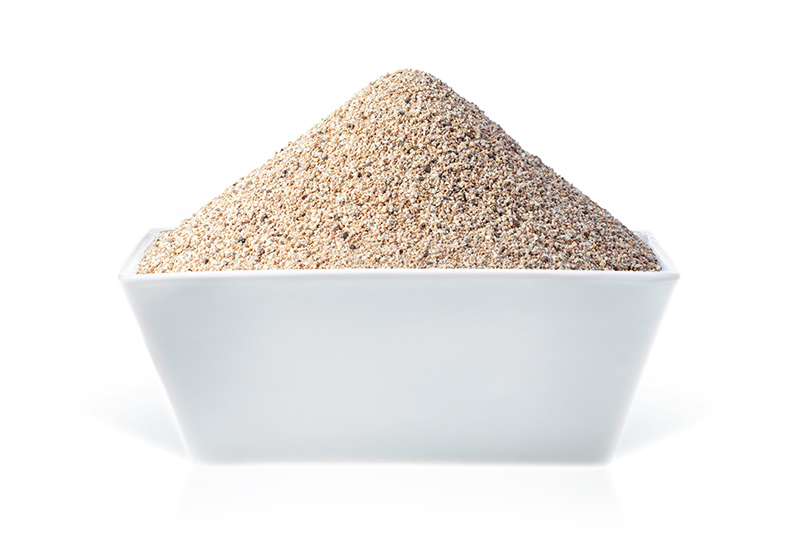
For animal feed, a gentle process is normally used to obtain active magnesium oxide, which reacts with the animal’s stomach acid and is effectively absorbed.
However, special guidelines apply to magnesium oxide as a feed material in the areas of quality assurance and traceability. (Our triad for your success: certifications, KPIs, and resources in quality assurance | COFERMIN Group )
One of the prerequisites for the usability of a product is compliance with EU Directive 2002/32 EC.
Beyond the legal requirements, we at IMagine, as a distributor, act in accordance with the QS standard and the HACCP concept derived from it.
In addition to measures to prevent contamination of the goods, this also regulates, for example, the traceability of the goods (when and where the goods were produced, stored, and transported, and which customer was supplied with what quantity and when).
Beyond the delivery of consistent quality, the health of (farm) animals and, consequently, human health must always be taken into account in the feed sector.
At IMagine, we offer a wide range of magnesium oxide products that are approved for use in animal feed. We are not limited to a specific source or quality, but work with a large number of suppliers, most of whom are long-standing partners. This enables us to offer almost all available qualities and provide the best possible solution for each customer. And that is an important point that sets us apart!
Thanks to our certified logistics partners located close to our customers, our service also includes proper storage and delivery of goods, whether loose or packaged, according to customer requirements.
A new product in the portfolio
An exciting new product in our portfolio is a high-purity magnesium oxide of natural origin. This product is particularly impressive due to its purity and light color, combined with an attractive price. It is an excellent addition to our already established qualities and is proof of our approach to constantly seeking innovative and effective solutions for our customers.
My work at COFERMIN in the field of magnesium compounds, particularly for the feed industry, is a constant challenge and opportunity to find and offer innovative solutions. Magnesium is hugely important in animal nutrition, and I am delighted to be part of a team that is dedicated to this task with passion and expertise.