



Over the past decade at COFERMIN, I have experienced firsthand how sincere commitment to charity can be. And these efforts are not simply part of a business strategy, but an important aspect of our corporate identity. More than 20 years ago, the four founders already knew that true success should go beyond the financial.
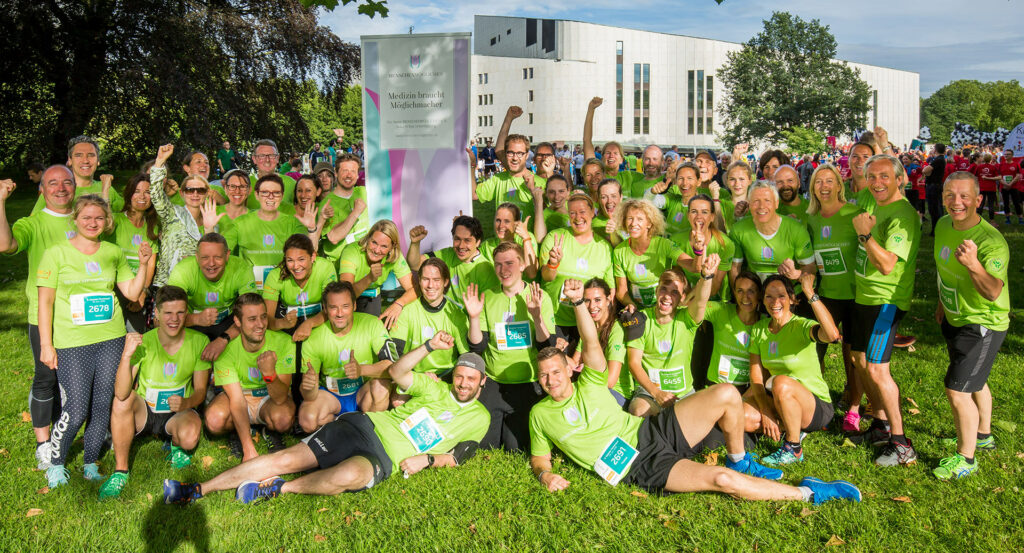
The concept of charity at COFERMIN is reflected in a wide range of activities, from local non-profit initiatives to international partnerships. I find our collaboration with organizations such as Menschen-Mögliches e.V. and the Water Is Right Foundation particularly impressive. These organizations do transformative work that sustainably improves the lives of people in our community and in disadvantaged regions of the world. Our employees are also personally involved in these projects, contributing their time and energy to make a real difference. This is one thing that shows me that our commitment to social issues is genuine.
The question of why we are so comprehensively committed is easy to answer: it is about taking responsibility. This responsibility extends not only to our immediate environment or our business activities, but to the whole world. The core values of our founders, who emphasize that as part of the global community we have a duty to help where we can, are a constant inspiration to all of us at COFERMIN. And yes, studies show that companies that take social responsibility seriously are more successful not only in society but also in the market. Our employees and customers recognize and appreciate this commitment, which in turn strengthens their loyalty and trust in COFERMIN.
However, there is a common misconception surrounding social initiatives—or a fear that a large portion of donations does not go to the actual recipients, but rather to the administrative overhead costs of the organizations. This concern is not unfounded, as there are cases where the efficiency of charities is called into question. However, it is important to understand that effective charity work requires professional management, which naturally also requires financial resources.
My personal experience, having dealt with this topic in great depth, has shown me that organizations that are professionally managed tend to be more effective in implementing their projects. These organizations may use part of the donations for administrative tasks, but the efficiency of their projects and the effectiveness of each sum of money donated are significantly higher. This is because professional structures are better able to plan and implement projects successfully. In the US, for example, many charities are run like businesses, which enables them to attract and retain talented professionals who, in turn, ensure that the funds are used highly effectively. This model makes it possible to raise more money and achieve a greater impact.
I think it is time that we, especially in Germany, begin to accept and support this practice so that our donations not only reach their destination but also have the maximum impact.
Looking to the future, COFERMIN plans to further deepen its social commitment and involve its employees even more intensively in the decision-making processes. By involving our teams in the selection and support of projects, we strengthen the sense of community and also promote a culture of shared responsibility. In view of the pressing global challenges, such as the climate crisis and social inequalities, I believe it is important for companies to take on a pioneering role and demonstrate how business success and sustainable social commitment can go hand in hand.
Finally, I would like to encourage companies considering launching or expanding social initiatives to remain authentic and choose projects that can bring about real change: it is crucial to be transparent and ensure that the aid really goes where it is most needed. Despite the inevitable challenges, the path of social responsibility is one of the most valuable a company can take. This path requires commitment and often courage, but the rewards—both for the community and for the company itself—are immense and lasting.
