
My name is Martin Homolka, and in my work with IMAGINE by COFERMIN, I have experienced the transformative role of iron hydroxide in biogas production. In this article, I would like to share my insights and experiences on this fascinating topic.
The importance of iron hydroxide in the biogas industry
Synthetic iron hydroxide, a chemical compound consisting of iron ions and hydroxide ions, is known for its high reactivity, which is due to the large surface area of the individual particles. In biogas production, iron hydroxide plays a crucial role as an absorber for removing hydrogen sulfide from biogas. This property is essential for improving the quality of biogas and preventing corrosive damage in biogas plants. Targeted desulfurization contributes significantly to the yield and profit situation of biogas plants.
Biogas is produced by the decomposition of organic materials such as plant residues, manure, or organic waste. Methane, the main component of biogas, is the reason for its flammability. The use of biogas as an energy source for electricity and heat or its feed-in into the gas grid promotes sustainable energy production and contributes to the reduction of greenhouse gas emissions and the use of fossil fuels.
Alternatives and challenges
When using iron hydroxide in biogas plants, there are alternatives such as iron chloride, which is, however, classified as a hazardous substance. Iron hydroxides are easy to use and do the job efficiently. However, there are differences. Natural grades, which are mined in Spain, Egypt, and Turkey, for example, consist of mixed minerals that have already formed many chemical bonds during their formation and are therefore significantly inhomogeneous, which leads to reduced reactivity.
Synthetic iron hydroxide, on the other hand, is homogeneous in its structure and chemical composition, more reactive, and therefore significantly more reliable.
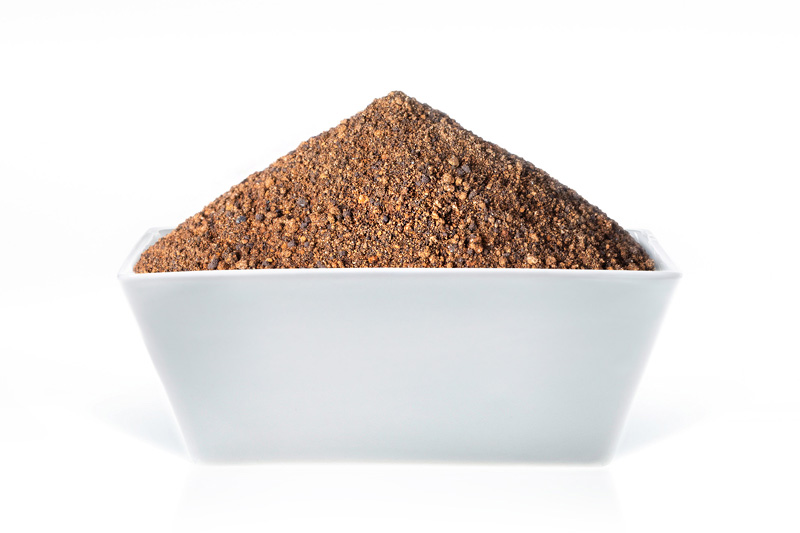
At IMagine, we call our iron hydroxide IMag S-ABSORB Rapid, which is obtained from the purification of natural waters in a process developed over two years, processed by a wet-mechanical process, ground, and homogenized. IMag S-ABSORB Rapid is characterized by its large surface structure, high reactivity, and free hydrogen chains. IMag S-ABSORB Rapid thus has a fast-acting first-aid component and long-acting components which, when used regularly, keep sulfur development in check, which is extremely important for a well-functioning biogas plant.
The future of iron hydroxide in the biogas industry
I see a dynamic future for iron hydroxide in the biogas industry. With current developments and the trend toward increased environmental investment and the possibility of energy costs rising again (or remaining at a high level), the importance of economical and environmentally friendly technologies such as biogas plants for energy production will continue to grow, and thus the use of iron hydroxide in biogas production will increase.
Our approach to developing IMag S-ABSORB Rapid is guided by two main principles: innovation and sustainability. We recognize the need to develop products that are not only effective but also environmentally friendly. The iron hydroxide we use comes from natural sources that have been contaminated by groundwater lowering. These iron-rich waters undergo a complex process to clean the ecological system and extract efficient and pure iron hydroxide. We are not only creating a product for use in the production of renewable energy, but also contributing to the renaturation of contaminated waters. This sustainable approach is reflected not only in our product, but also in our entire business model.
At IMagine, we see every day that the use of iron hydroxide in biogas plants must be versatile and adaptable. Our product IMag S-ABSORB Rapid is therefore particularly effective in various types of plants, from small agricultural businesses to large industrial facilities. This flexibility enables us to serve a wide range of needs and offer specific solutions for the individual requirements of our customers.
I look forward to continuing to be at the forefront of these exciting developments. The biogas industry is undergoing a period of transformation, and I firmly believe that our work at IMagine will help make this industry more sustainable and efficient.